

Charter School Enrollment Marketing Case Study
The RunDown
When a statewide charter school approached us because enrollment numbers were sliding for 4 consecutive years. Their 9 school websites were not collecting data with Google Analytics. They were aware that it was costing them money. Current situation, the marketing budget was spent entirely on Facebook. Their goal was to increase enrollment to 85% over 2 years. We used data analysis to find new target markets, ideal channels, and new keywords. Unfortunately, COVID derailed the project.
Analytics Reverses 4-year Enrollment Slide, into +$6M Revenue
Goals
-
Fill 9 schools with 2,610 students annually
-
Increase enrollment until we need a wait list
-
Increase total enrollment by 600 students over 2 years
-
Enroll more students in half-day school program
-
Increase student attendance in school clubs
Strategy
Use data to determine the marketing channel. Current media budget of $190,000 per year is spent on Facebook. We will test out several marketing channels to determine the best one.
The channel we want to dominate is the online map. Every parent will look at a map to make a decision about school. The school district was getting crushed by competition on the map. Most locations were surrounded by other charter schools. First, we claimed all map listings and created a 2nd location at each school for the technology lab. Adding the 2nd listing to the map increased overall clicks to each location, did not pirate clicks from the first listing. Each listing added more clicks to the overall total.
Next, we added an ads campaign with a tight geofence around the school. We ran the ads campaign for open enrollment from July 5 until the first day of school. Our messaging was aimed at students who wanted a half-day high school and students unhappy with their current situation.
We created a Spanish language ad campaign on Google. That was the turning point. When that campaign was launched the staff reported talking to “many more Spanish speakers”. None of their competitors were running ads in Spanish. Naturally, we dominated that market.
The school found that students who attended school clubs stayed in school at a higher rate. We showed ads to students who had visited a club page. If someone using a school IP address visited the website, we assumed it was a student or teacher. They saw one message version. If someone visited the club page from an IP address external to the school, we would show them different messaging. Club attendance increased. It was so successful that we kept those ads running year-round with 3% of the open enrollment budget.
Obstacles
-
When we first started, all searches were branded
-
They had not fully integrated with data when we started – only had Facebook analytics
-
Brand perception, the school typically works with low-income families
-
High drop-out rate, less engaged students
-
Their locations are surrounded by competition
-
COVID derailed our efforts
Results
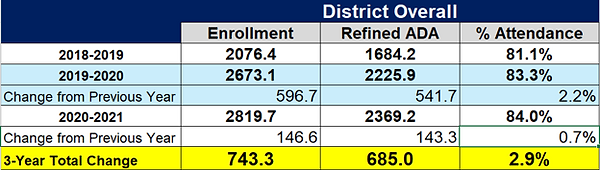
By increasing the student count over 700 students the school grossed an additional $6 million. Stopping the 4-year enrollment slide. After we connected the website with analytics, the school district made system wide changes to clubs, targeting the Spanish market, how they approach competition, and open enrollment ad budgets.
• The School reallocated their ad budget from Facebook to more profitable channels
• Students who staying in school increased
• Adding the second map listing brought in a new channel of students looking for computer skills
This campaign ended early due to COVID. This shows an early use of predictive AI to transform a business.
Published 3-19-2024 by Steve Huskey